


Download Our App
News
Wire Rope Essentials: Types, Uses, and Maintenance
By
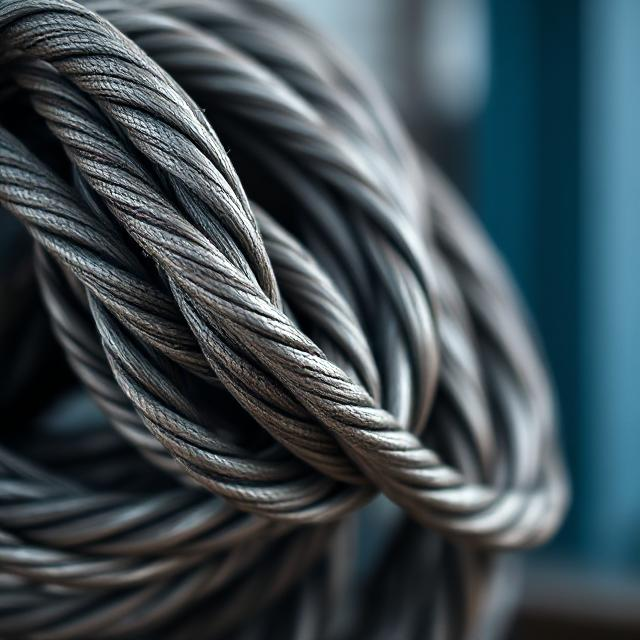
Wire ropes are indispensable in various industries, providing strength, flexibility, and durability for lifting, rigging, and load-bearing applications. Understanding the different types, uses, and maintenance practices is essential for ensuring safety, longevity, and optimal performance. This guide explores the fundamental aspects of wire ropes, including their construction, classifications, applications, and best practices for care and maintenance.Understanding Wire Rope ConstructionWire ropes are composed of several strands of metal wire twisted together around a core. Their design influences performance characteristics such as strength, flexibility, abrasion resistance, and fatigue resistance.Components of Wire RopeA standard wire rope consists of three primary components:• Wires: Individual strands of metal that provide strength and durability.• Strands: A group of wires wound together in a helical pattern.• Core: The central support around which strands are wrapped, which can be: o Fiber Core (FC): Made of natural or synthetic fibers, providing increased flexibility but lower strength.o Steel Core (IWRC – Independent Wire Rope Core): Enhances strength and resistance to high temperatures.o Wire Strand Core (WSC): A single strand of wire acting as the core, offering a balance of flexibility and durability.Wire Rope Lay and Construction PatternsThe way strands and wires are twisted impacts the rope’s characteristics. The main lay types include:• Regular Lay: Wires and strands are twisted in opposite directions, increasing stability.• Lang Lay: Wires and strands are twisted in the same direction, providing better abrasion resistance.• Alternate Lay: A combination of regular and lang lay to optimize performance.


Comments