


Download Our App
News
What Do Webbing Sling Color Codes Mean?
By
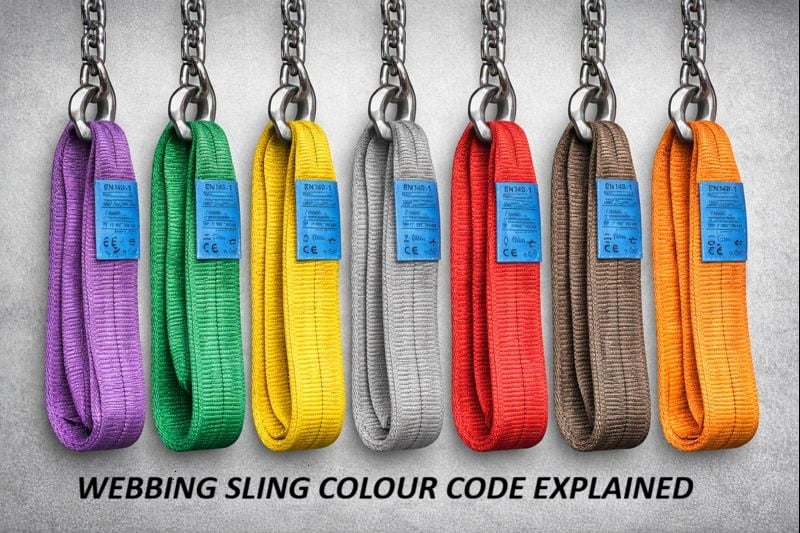
Webbing slings are widely used in material handling, construction, manufacturing, and logistics because they are lightweight, flexible, and safe for lifting delicate or finished loads.Many operators assume the color itself indicates load capacity, while others are unsure how to interpret the markings.Understanding webbing sling color codes is essential for safe lifting, compliance with standards, and preventing costly accidents. This article explains what webbing sling colors really mean, how they relate to load capacity, and why labels and standards matter more than color alone.Understanding Webbing Sling Color CodingWebbing sling color codes are primarily used to provide quick visual identification of the sling’s Working Load Limit (WLL). However, the color coding system is not universal worldwide. It depends on regional standards and manufacturing practices.In most industrial markets, especially Europe and many Asian countries, webbing sling colors follow the EN 1492 standard. This standard assigns specific colors to specific load capacities, allowing operators to quickly identify the approximate lifting capacity of a sling without reading the label.It is important to note that in some regions, particularly North America, color coding may not strictly define capacity, and the sling label is the only authoritative source.Why Color Coding ExistsColor coding improves safety and efficiency in lifting operations. In busy industrial environments, operators often work under time pressure. Visual identification helps them select the correct sling faster while minimizing errors.Key benefits of color coding include:• Faster sling selection• Reduced chance of overload• Improved safety awareness• Easier training for new operators• Better visual inspection during operationsDespite these benefits, color coding should always be considered a secondary reference, not a replacement for proper inspection and verification


Comments